Stamp Duty and Registration in Karnataka: A Complete Cost Guide

Transaction costs are the part of a property purchase buyers most often underestimate, and at ultra-luxury values the sums involved are substantial enough...
Transaction costs are the part of a property purchase buyers most often underestimate, and at ultra-luxury values the sums involved are substantial enough to affect funding structure. Getting the arithmetic right early prevents an awkward gap at registration.
In Karnataka, stamp duty together with registration charges runs to approximately 7.65 per cent of consideration. On a high-value purchase this is a significant absolute figure, and critically it must be funded from your own resources rather than from a home loan, since lenders finance the property rather than the transaction costs attaching to it. A buyer who has budgeted only for the consideration and the down payment will find themselves short at exactly the wrong moment.
Goods and Services Tax operates on a different logic and is frequently confused with stamp duty. GST applies to under-construction property and does not apply to a completed home holding its occupancy certificate. For an asset such as Embassy ONE North Tower, which is complete and occupied, that liability does not arise at all. Against an equivalent-value under-construction purchase this exemption is the single largest cost differential in the transaction, and it should be modelled explicitly rather than mentioned in passing.
Several smaller items belong in a complete cost picture. Legal fees for independent title and encumbrance verification are modest against the exposure they cover and should never be economised on. Where a bank is involved, processing and documentation charges apply. Society or management transfer formalities may carry a fee, and for a branded residence the buyer should separately confirm that the seller's service charge account is current so no arrears transfer on registration.
Two obligations catch buyers out because they sit on the purchaser rather than the seller. Where the seller is a non-resident, the buyer carries a tax deduction at source obligation at a rate different from that applying to a resident seller, and correcting an error after funds have moved is difficult. Separately, the buyer's own deduction and reporting obligations on high-value property transactions must be met within the prescribed timelines. Establish the seller's residential status at the outset rather than at the closing table.
The practical instruction is to build a full cost sheet before agreeing terms. Take the consideration, add approximately 7.65 per cent for stamp duty and registration, add legal and lending charges, confirm the GST position in writing, and establish the withholding treatment. Then check what proportion must come from own funds rather than borrowing. Rushing this arithmetic is how transactions stall late. This is general information rather than tax or legal advice, and a qualified advisor should confirm your specific position.
Related reading: Financial Year-End Property Buying: Tax Angles for Indian Buyers.
FAQs
What are stamp duty and registration charges in Karnataka?
Together they run to approximately 7.65 per cent of consideration. This must generally be funded from your own resources rather than from a home loan, since lenders finance the property rather than the transaction costs attaching to it.Is GST payable in addition?
Only on under-construction property. A completed home holding its occupancy certificate attracts no GST, which makes this the largest single cost differential against an equivalent-value under-construction purchase.Which obligations sit on the buyer rather than the seller?
Tax deduction at source where the seller is a non-resident, at a rate different from a resident sale and difficult to correct after funds move, plus the buyer's own deduction and reporting obligations on high-value transactions within prescribed timelines.
Related Articles

Festive Season Home Buying in North Bangalore: Does the Timing Help?
Property enquiries in India rise sharply between September and November, and the industry has built a marketing season around it. Whether the timing...
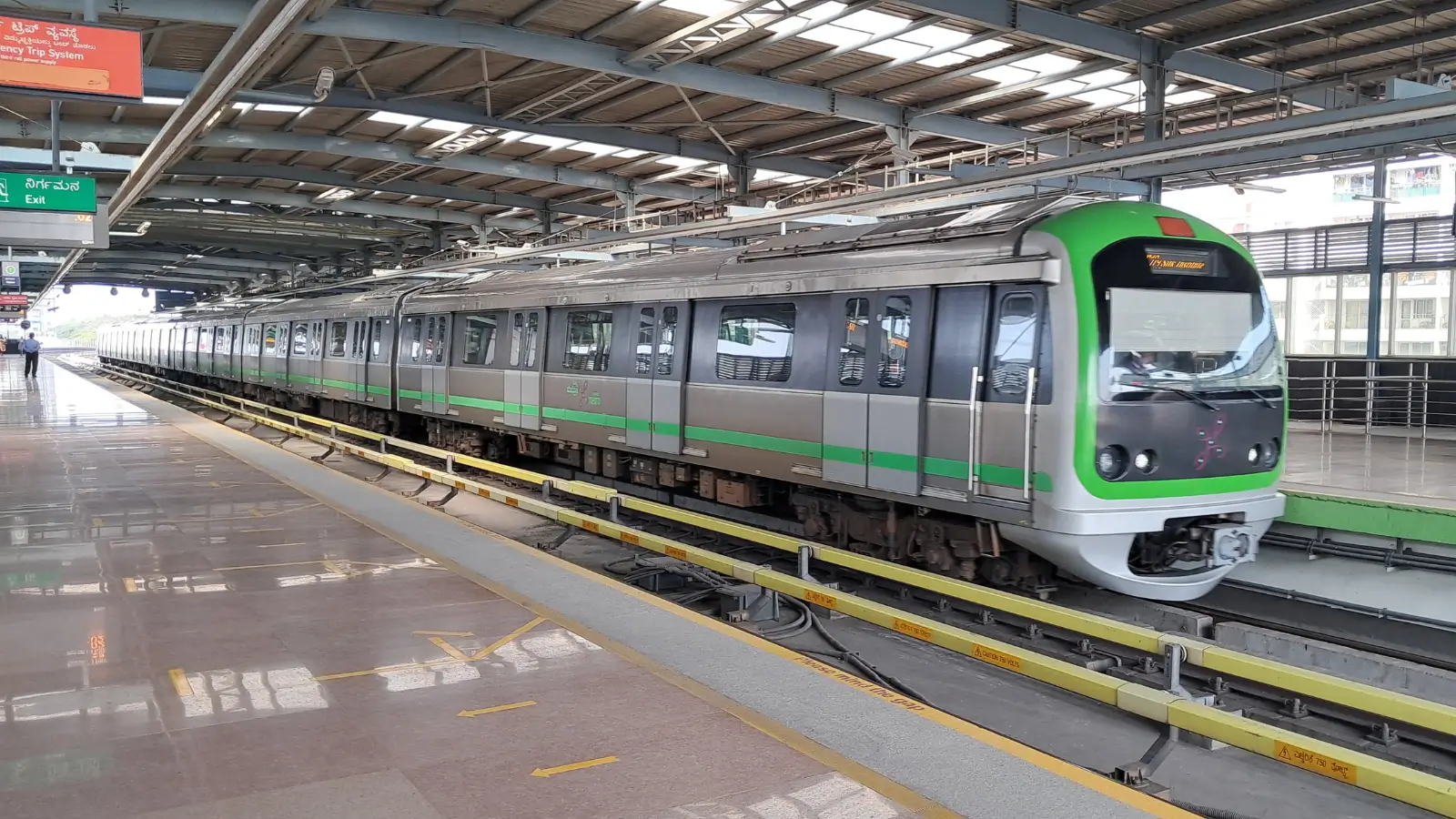
Bengaluru Metro Phase 3: The North Bangalore Property Impact
Metro expansion is the infrastructure story most likely to be oversold in Bengaluru property marketing, and the reason is that its effects are real but...

Karnataka RERA: How the Law Protects Luxury Homebuyers
The Real Estate (Regulation and Development) Act changed the balance of information between developer and buyer more than any other measure in Indian...

How Bengaluru's Startup Ecosystem Creates Luxury Housing Demand
Startup wealth behaves differently from salaried wealth in the property market, and understanding how changes what a developer should expect and what a...