Bellary Road Real Estate: Why This North Bangalore Stretch Commands a Premium
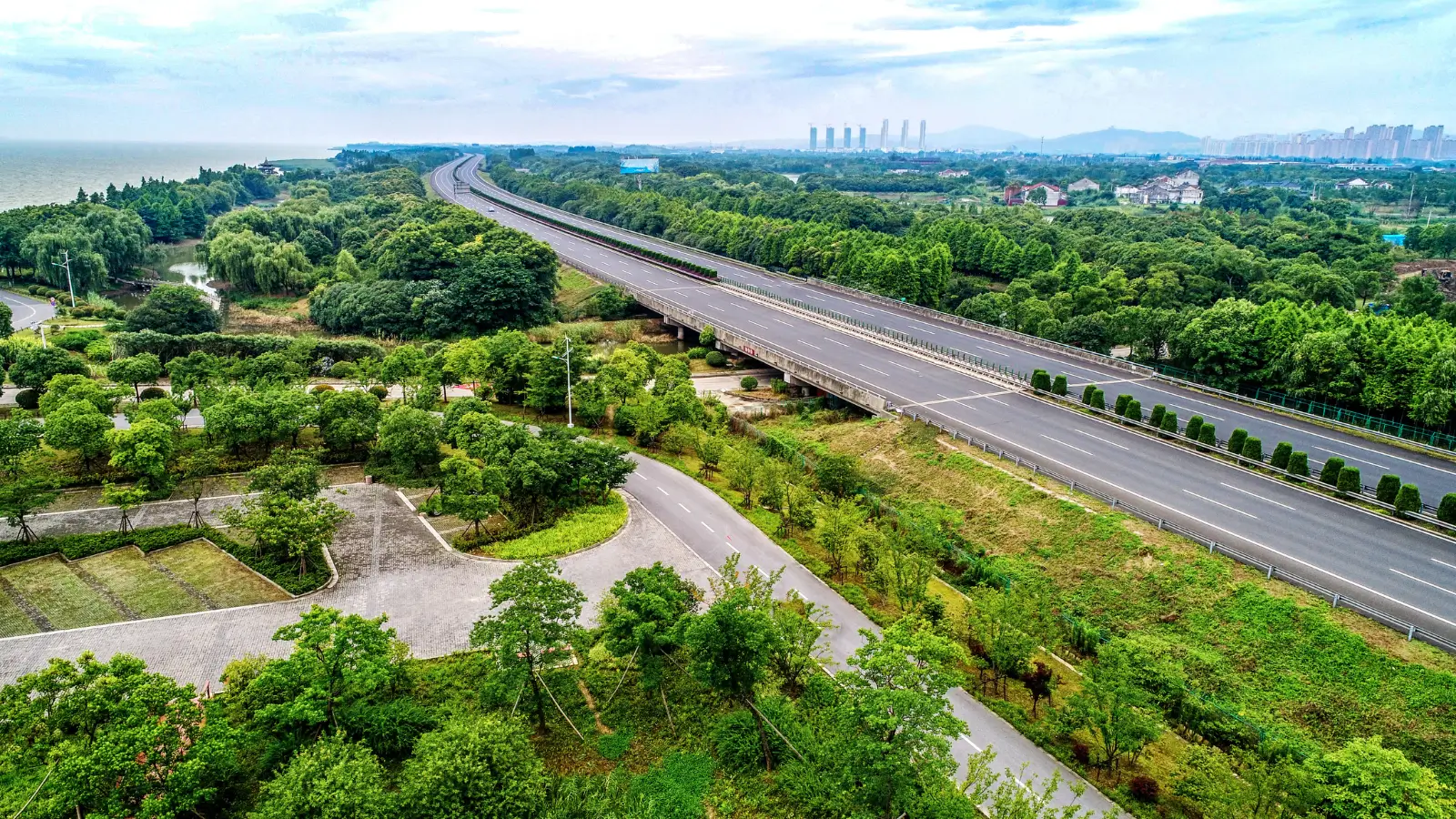
Bellary Road runs the entire length of Bangalore's northern spine, from Mekhri Circle out past Hebbal, Yelahanka and Devanahalli to the airport. Treating...
Bellary Road runs the entire length of Bangalore's northern spine, from Mekhri Circle out past Hebbal, Yelahanka and Devanahalli to the airport. Treating it as a single real estate market is the commonest analytical error buyers make, because the stretch immediately north of Mekhri Circle behaves nothing like the stretch beyond Hebbal.
The southern segment, where Embassy ONE North Tower sits, is the most established part of the corridor. Its neighbours are Sadashivanagar, Armane Nagar, Dollars Colony, RMV Extension and Malleshwaram, all long-settled districts. Asking rates in the Sadashivanagar belt have been reported at roughly twenty-four thousand rupees per square foot, well above the city average of around twelve thousand and above the North Bangalore average of roughly eleven thousand, which tells you the premium here is locational rather than product-driven.
That premium rests on scarcity of land rather than on amenity. The surrounding districts are bungalow stock on individual plots, and the institutional footprint of Palace Grounds, the Indian Institute of Science and Sankey Tank removes further land from the development pool permanently. Large parcels almost never reach the market, and when they do the plot geometry usually precludes big-format development. This is why branded and large-format projects on this stretch are so few, and why competing supply cannot arrive quickly even when demand is strong.
The demand side is equally structural. The buyer here is typically not an IT professional optimising a commute but a business owner, senior executive, professional or returning non-resident buying for address quality and family proximity. This buyer base is less rate-sensitive and less cyclical than the tech-corridor market, which historically makes the segment steadier in downturns, though it also means the pool of qualified buyers is narrow and resale takes longer.
Connectivity underpins rather than drives the value. NH-44 gives an uninterrupted run north to Kempegowda International Airport at about 30 km, the central business district sits roughly 7 km south, and the Hebbal interchange with its planned Blue Line metro connection is about 5 km north. Bengaluru's prime residential market recorded roughly nine per cent annual growth in recent reporting, with the city ranked eighth globally among fastest-growing luxury housing markets.
The realistic assessment is that this stretch is a low-volatility, low-liquidity segment rather than a high-growth one. It does not produce the percentage spikes that emerging North Bangalore corridors occasionally deliver, but the downside protection from constrained supply and a settled buyer base is genuine. Buyers should underwrite it as a long-hold asset with steady appreciation and a slow exit, not as a trading position.
Related reading: Is Bellary Road a Good Place to Buy Property in Bangalore?.
FAQs
Why is Bellary Road near Mekhri Circle priced higher than the rest of the road?
The southern stretch is the most established part of the corridor, adjoining Sadashivanagar, Armane Nagar and Malleshwaram, where asking rates have been reported around twenty-four thousand rupees per square foot against a city average near twelve thousand. The premium is locational.What limits new supply on this stretch of Bellary Road?
Surrounding land is bungalow stock on individual plots, and Palace Grounds, the Indian Institute of Science and Sankey Tank permanently remove further land from development. Large parcels rarely reach the market, so competing large-format supply cannot arrive quickly.Is Bellary Road property a high-growth or a stable investment?
It behaves as a low-volatility, low-liquidity segment. Constrained supply and a settled, less rate-sensitive buyer base provide downside protection, but the narrow buyer pool means slower resale. It suits a long hold rather than a short-horizon trade.
Related Articles

Festive Season Home Buying in North Bangalore: Does the Timing Help?
Property enquiries in India rise sharply between September and November, and the industry has built a marketing season around it. Whether the timing...

Stamp Duty and Registration in Karnataka: A Complete Cost Guide
Transaction costs are the part of a property purchase buyers most often underestimate, and at ultra-luxury values the sums involved are substantial enough...
Bengaluru Metro Phase 3: The North Bangalore Property Impact
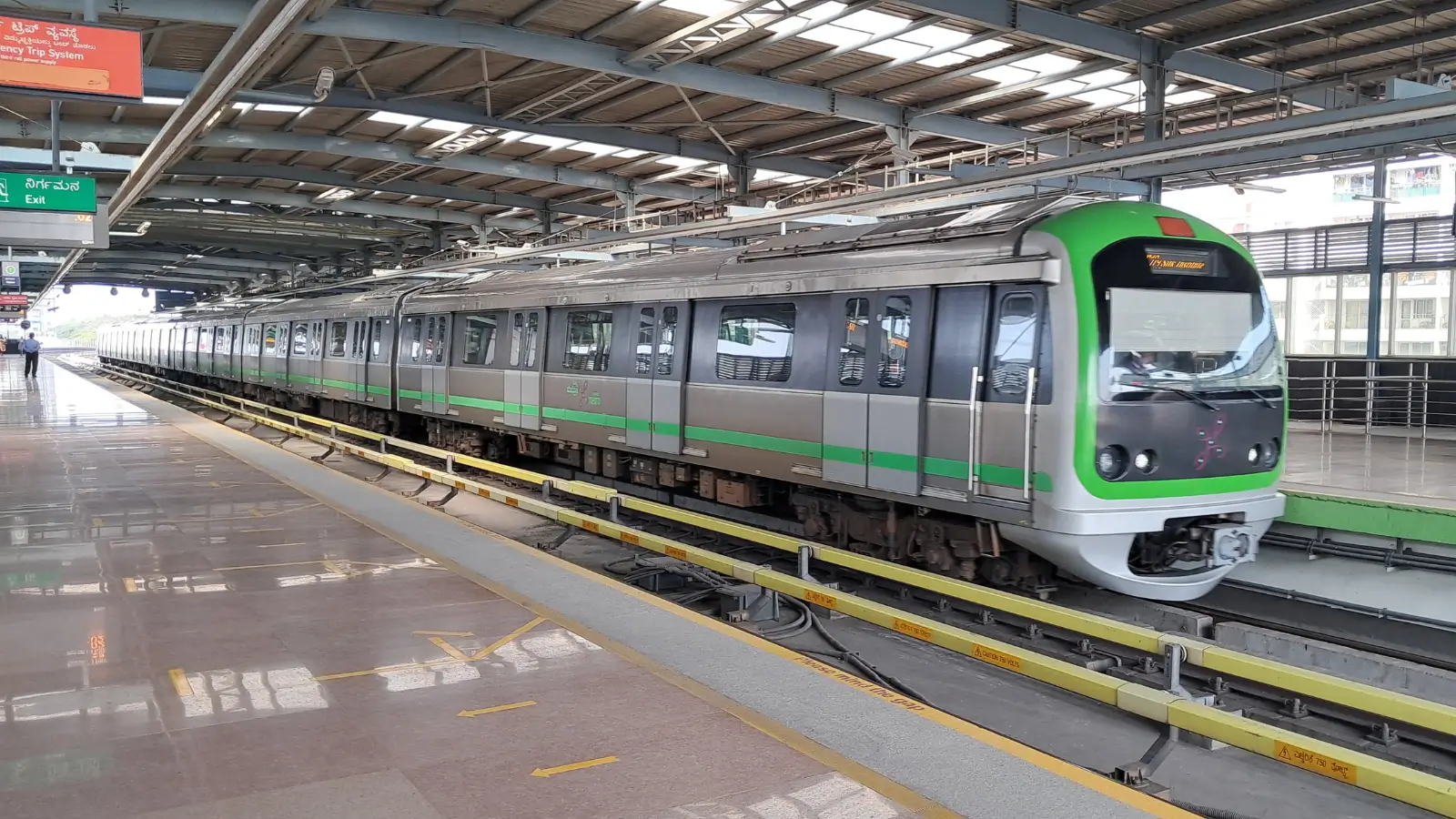
Metro expansion is the infrastructure story most likely to be oversold in Bengaluru property marketing, and the reason is that its effects are real but...

Karnataka RERA: How the Law Protects Luxury Homebuyers
The Real Estate (Regulation and Development) Act changed the balance of information between developer and buyer more than any other measure in Indian...