The answer depends entirely on which part of Bellary Road is meant and what the buyer is trying to achieve, and any response that does not begin with...
The answer depends entirely on which part of Bellary Road is meant and what the buyer is trying to achieve, and any response that does not begin with those two distinctions is not worth much. Bellary Road spans roughly thirty kilometres from Mekhri Circle to the airport, and its segments behave as different markets.
For the stretch immediately north of Mekhri Circle, the case in favour is built on scarcity rather than growth. Surrounding land is bungalow stock on individual plots, with Palace Grounds, the Indian Institute of Science and Sankey Tank permanently removing further land from the development pool. Large parcels rarely come to market. This means competing supply cannot arrive quickly, which supports values on the downside even when it fails to generate dramatic upside.
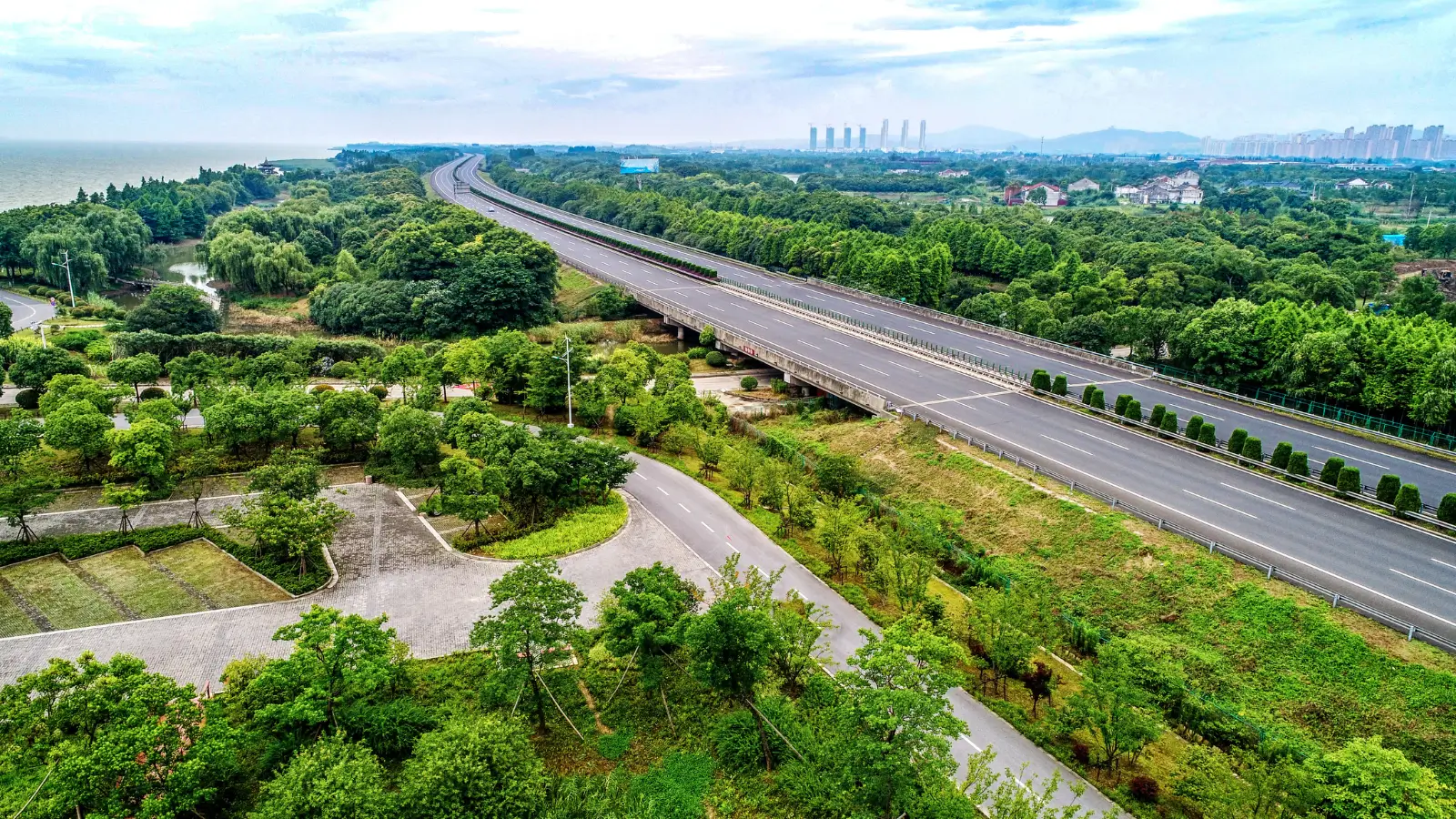
The connectivity case is already delivered rather than pending, which is unusual in North Bangalore. The central business district sits at around 7 km and 20 to 25 minutes off-peak, the airport at roughly 30 km on a single arterial, Manyata Embassy Business Park at about 8 km, and the Hebbal interchange with its planned metro connection at approximately 5 km. A buyer here is not underwriting the delivery of future infrastructure to make the location work.
On returns, the realistic expectation is steady rather than spectacular. Bengaluru's prime residential market recorded roughly nine per cent annual growth in recent reporting, with the city ranked eighth globally among fastest-growing luxury housing markets, and city-wide outlook sits at eight to twelve per cent annually in stable conditions. On the rental side, the benchmark for this segment is 3.5 to 4 per cent of property cost annually for a semi-furnished residence and 4 to 4.5 per cent for a furnished one, with corporate, expatriate and diplomatic tenants forming the demand base.
The arguments against deserve equal weight. Liquidity is thin: the buyer pool at ultra-luxury price points on this stretch is narrow, so both acquisition and exit take time regardless of pricing. Peak congestion at Mekhri Circle is a daily reality rather than an occasional inconvenience. The eastern tech corridors are poorly served, ruling the address out for a large share of Bangalore's professional population. And entry pricing already reflects the locational premium, with the Sadashivanagar belt reported around twenty-four thousand rupees per square foot, so the buyer is not acquiring an undiscovered position.
The defensible conclusion is that this stretch suits an end-user or a long-hold investor who values address permanence, old-city access and airport connectivity, and who has underwritten a slow exit. It does not suit a buyer seeking rapid appreciation from an early-cycle entry, and it does not suit anyone whose daily commute runs east. For a purchase such as a residence at Embassy ONE North Tower, the decision should turn on the fit of those trade-offs rather than on a general view of the corridor.
Related reading: Bellary Road Real Estate: Why This North Bangalore Stretch Commands a Premium.
FAQs
Is Bellary Road a good investment location?
It depends on the segment and the objective. The stretch north of Mekhri Circle suits end-users and long-hold investors valuing address permanence, old-city access and airport connectivity. It does not suit buyers seeking rapid early-cycle appreciation or those commuting east daily.What supports property values on this stretch?
Scarcity. Surrounding land is bungalow stock on individual plots, and Palace Grounds, the Indian Institute of Science and Sankey Tank permanently remove further land from development. Competing large-format supply cannot arrive quickly.What returns can a buyer realistically expect?
Bengaluru prime residential recorded roughly nine per cent annual growth in recent reporting, with city-wide outlook at eight to twelve per cent in stable conditions. Rental benchmarks for this segment run 3.5 to 4 per cent of property cost semi-furnished and 4 to 4.5 per cent furnished.
Related Articles

Festive Season Home Buying in North Bangalore: Does the Timing Help?
Property enquiries in India rise sharply between September and November, and the industry has built a marketing season around it. Whether the timing...

Stamp Duty and Registration in Karnataka: A Complete Cost Guide
Transaction costs are the part of a property purchase buyers most often underestimate, and at ultra-luxury values the sums involved are substantial enough...
Bengaluru Metro Phase 3: The North Bangalore Property Impact
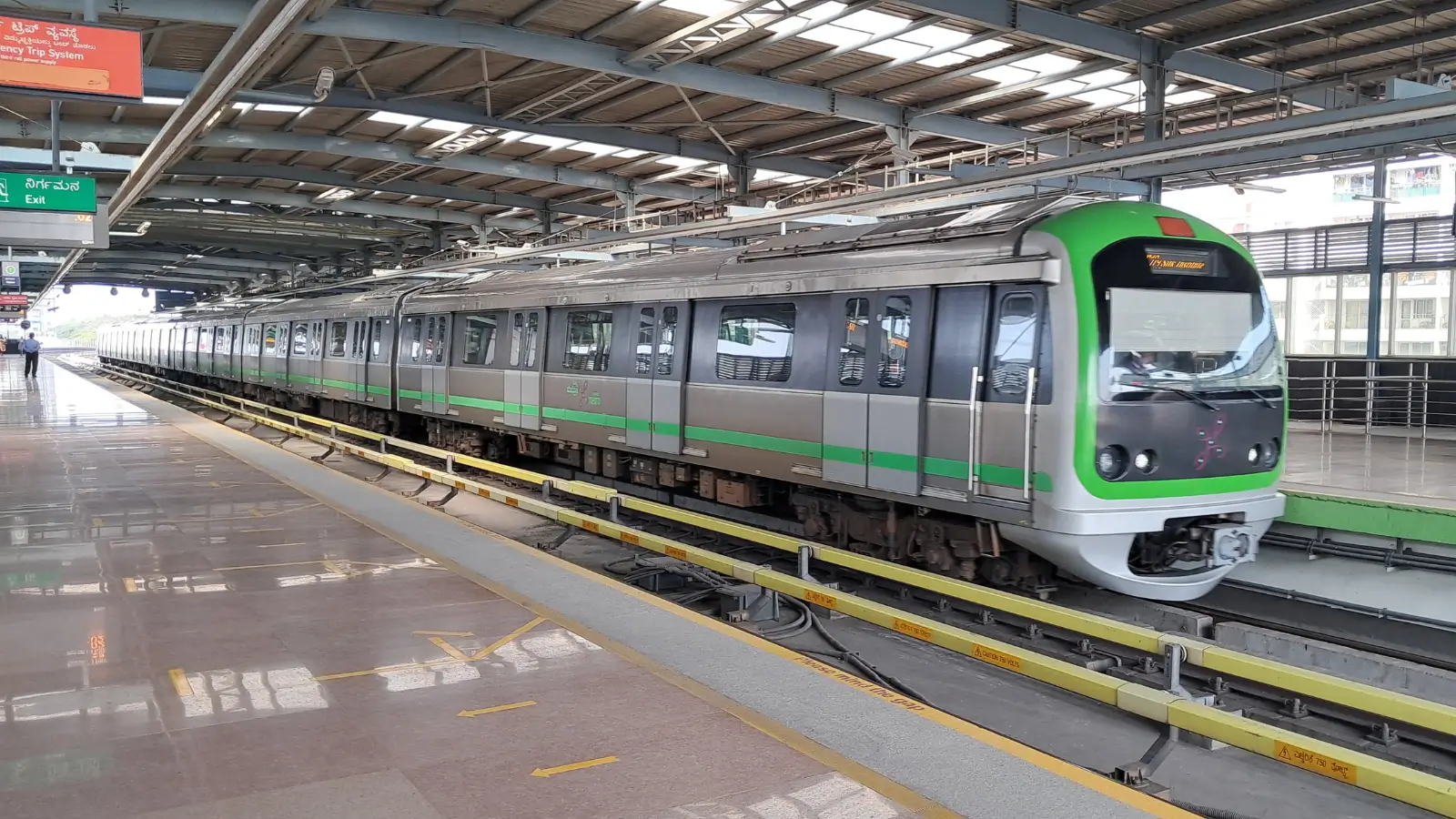
Metro expansion is the infrastructure story most likely to be oversold in Bengaluru property marketing, and the reason is that its effects are real but...

Karnataka RERA: How the Law Protects Luxury Homebuyers
The Real Estate (Regulation and Development) Act changed the balance of information between developer and buyer more than any other measure in Indian...