
Non-resident buyers form a substantial share of demand for Bangalore's prime residential stock, and the process is more straightforward than most...
Non-resident buyers form a substantial share of demand for Bangalore's prime residential stock, and the process is more straightforward than most first-time overseas purchasers expect. The complications tend to arise not from the rules themselves but from sequencing, documentation and the practicalities of transacting from another time zone.
On eligibility, a non-resident Indian or a person of Indian origin may acquire residential and commercial immovable property in India without prior approval from the Reserve Bank of India. The principal restriction is on agricultural land, plantation property and farmhouses, which cannot be acquired. Payment must be routed through banking channels, using funds remitted from abroad or held in a non-resident external, non-resident ordinary or foreign currency non-resident account. Payment in foreign currency notes or by traveller's cheque is not permitted.
Documentation is where delays actually occur. A buyer should expect to provide a valid passport, overseas address proof, an Indian permanent account number, and photographs. Where the buyer cannot be present for execution and registration, a power of attorney is required, and this is the single most common cause of timeline slippage. A power of attorney executed abroad typically needs notarisation and apostille or consular attestation in the country of residence, and then adjudication and stamping in India. Begin this process early rather than after agreeing terms.
For a completed asset such as Embassy ONE North Tower, the diligence burden is more favourable than for an under-construction purchase. The residence exists and can be inspected, occupancy certificate has been received, and Goods and Services Tax does not apply to a completed property. Karnataka stamp duty and registration run to approximately 7.65 per cent of consideration. Verify the project's Karnataka RERA record on the state portal independently, and appoint your own advocate in India rather than relying on documentation supplied by the seller.
Two practicalities matter disproportionately for an overseas buyer. First, ask whether a video walkthrough of the specific residence can be arranged before you travel, so that a trip is spent on decision-making rather than on shortlisting. Second, plan for the asset after purchase: if the residence will be vacant or let while you are abroad, establish who manages it, how rent is collected and remitted, and what the tax position on rental income is. A branded residence simplifies this considerably, since the management platform covers common areas and services and a la carte services can be engaged for the residence itself.
Timing usually favours a visit between April and June or around December and January, when family travel to India is common and viewings can be combined with other business. This article is general information rather than tax, legal or investment advice, and any specific transaction should be structured with a qualified Indian advocate and a tax advisor familiar with your country of residence.
Related reading: Can NRIs Get a Home Loan for a Bangalore Apartment?.
FAQs
Can an NRI buy residential property in North Bangalore without RBI approval?
Yes. A non-resident Indian or person of Indian origin may acquire residential and commercial immovable property in India without prior Reserve Bank approval. Agricultural land, plantation property and farmhouses cannot be acquired.How must payment be made?
Through banking channels only, using funds remitted from abroad or held in a non-resident external, non-resident ordinary or foreign currency non-resident account. Payment in foreign currency notes or by traveller's cheque is not permitted.What causes the most delay in an NRI purchase?
The power of attorney where the buyer cannot attend execution and registration. One executed abroad typically requires notarisation and apostille or consular attestation in the country of residence, then adjudication and stamping in India. Start this early rather than after agreeing terms.
Related Articles

Festive Season Home Buying in North Bangalore: Does the Timing Help?
Property enquiries in India rise sharply between September and November, and the industry has built a marketing season around it. Whether the timing...

Stamp Duty and Registration in Karnataka: A Complete Cost Guide
Transaction costs are the part of a property purchase buyers most often underestimate, and at ultra-luxury values the sums involved are substantial enough...
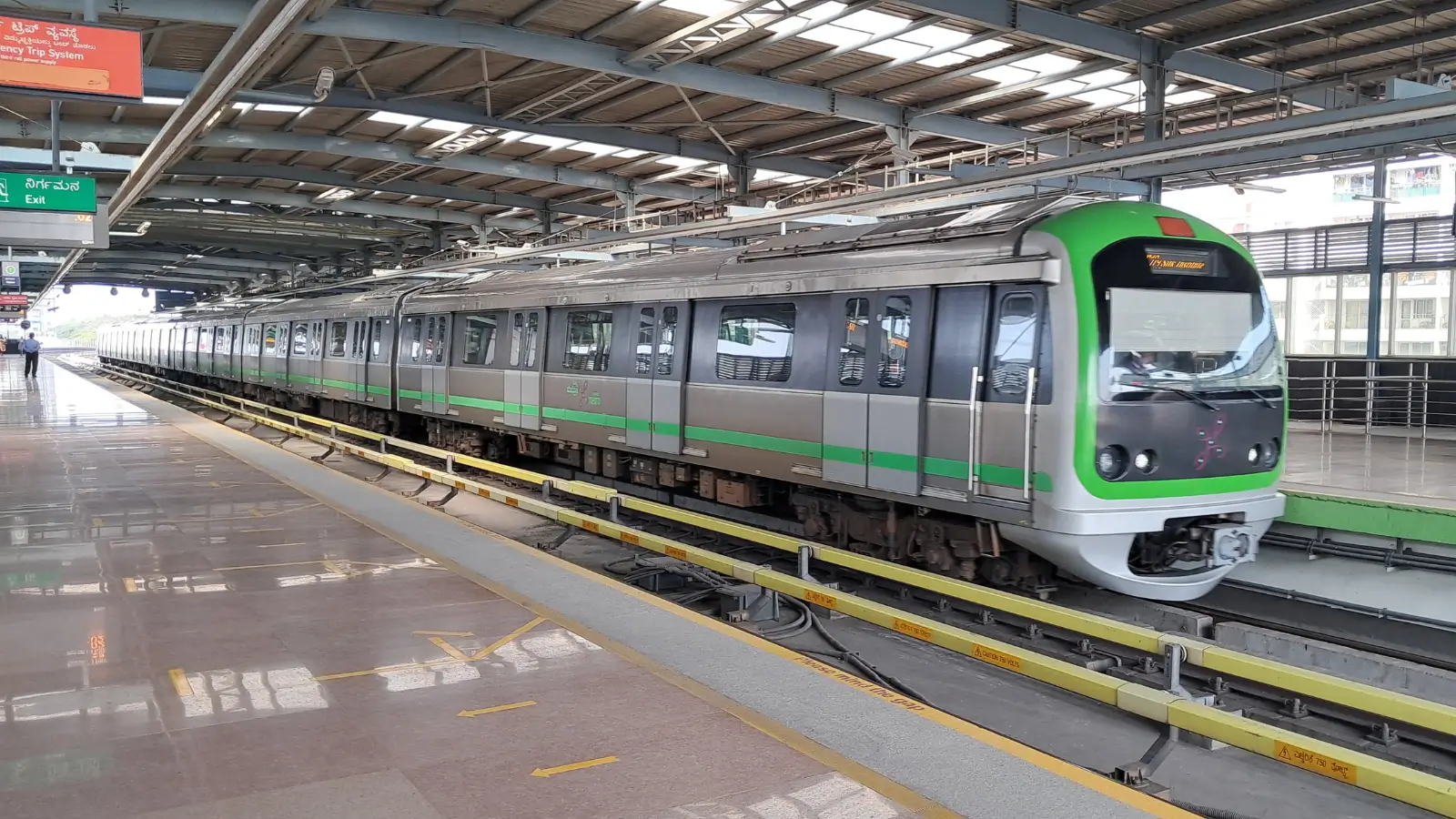
Bengaluru Metro Phase 3: The North Bangalore Property Impact
Metro expansion is the infrastructure story most likely to be oversold in Bengaluru property marketing, and the reason is that its effects are real but...

Karnataka RERA: How the Law Protects Luxury Homebuyers
The Real Estate (Regulation and Development) Act changed the balance of information between developer and buyer more than any other measure in Indian...