Hebbal Metro Blue Line: What It Means for North Bangalore Homeowners
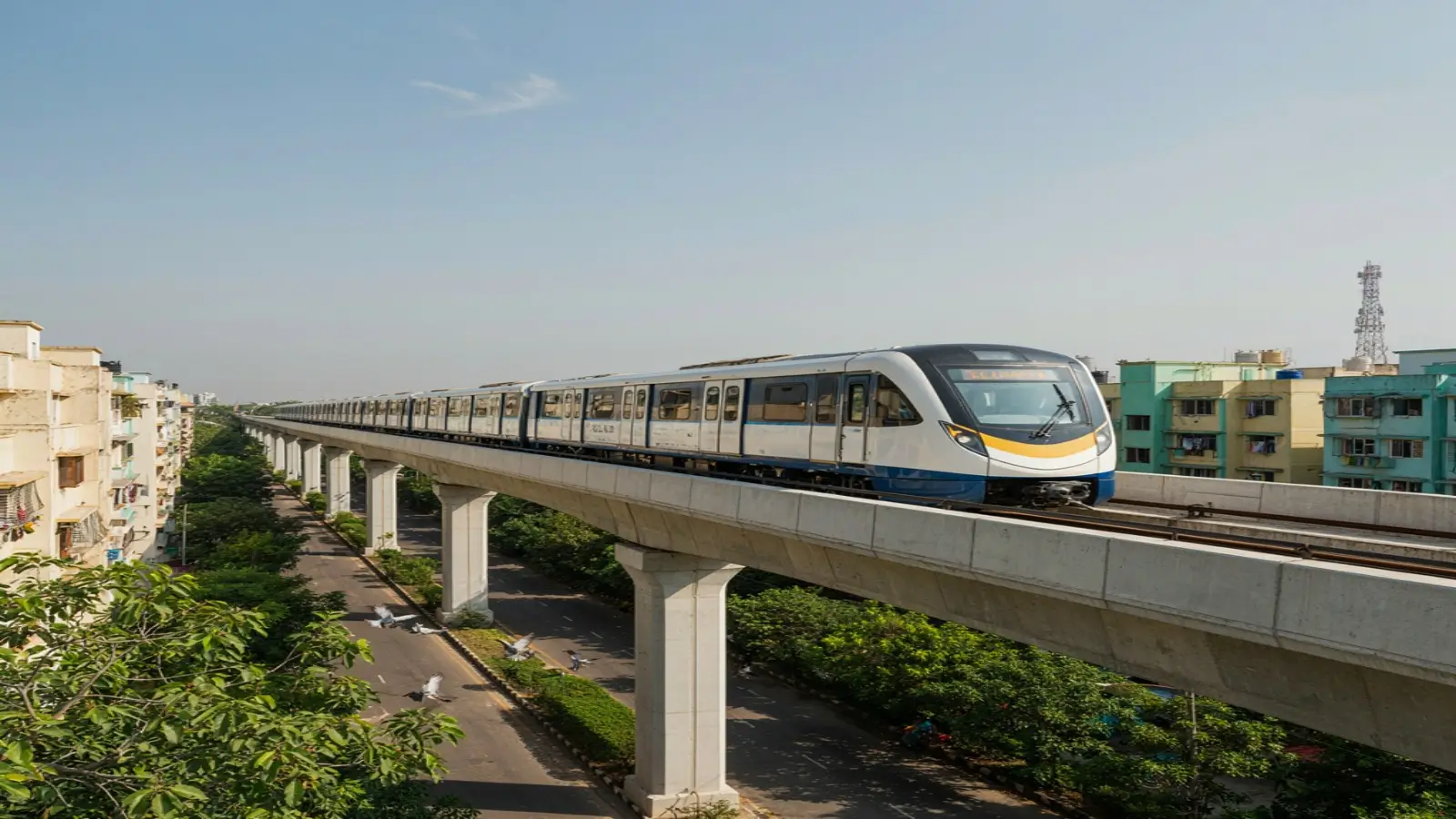
The Hebbal multi-modal interchange is the most consequential infrastructure development on Bangalore's northern spine this decade, and its effect on...
The Hebbal multi-modal interchange is the most consequential infrastructure development on Bangalore's northern spine this decade, and its effect on property along Bellary Road is worth assessing carefully rather than accepting at the level of marketing enthusiasm. The node lies roughly 5 km north of the Mekhri Circle stretch.
What the interchange does is convert Hebbal from a road junction into a transport hub. The Blue Line, which connects the airport corridor, is planned to meet subsequent Phase 3 alignment at Hebbal, creating an interchange rather than a simple station. For an address at the Mekhri Circle end of Bellary Road, the benefit is indirect but real: a five-kilometre feeder trip to a metro interchange with airport connectivity is a materially different proposition from a thirty-kilometre road run, particularly for household staff, visiting family and anyone who prefers not to drive.
The honest qualification is that direct metro access is not the same as nearby metro access. Homeowners on this stretch will not have a station at the doorstep. The existing Green Line at Sampige Road is about 4.5 km away and Yeshwanthpur roughly 5 km, so metro use from here already involves a first-mile drive or ride, and the Blue Line interchange will not change that. Buyers should discount claims that frame the metro as a walk-out amenity.
On price effect, evidence from other Bangalore corridors suggests metro commissioning tends to lift mid-market residential values more sharply than ultra-luxury ones. The reason is straightforward: the ultra-luxury buyer at this price point is not commuting by metro, so the improvement affects their asset through general area desirability, staff and service accessibility, and rental appeal to a broader tenant pool rather than through personal utility. Expecting the same percentage uplift that a mid-segment project might see would be a misreading.
Where the interchange does matter directly for a residence such as those at Embassy ONE North Tower is on the rental side. Corporate and expatriate tenants weigh total accessibility, and a location with strong road access to the CBD, an uninterrupted airport run and a metro interchange within five kilometres presents better than one lacking any of the three. On the benchmark applied across this segment, semi-furnished residences return roughly 3.5 to 4 per cent of property cost annually and furnished ones 4 to 4.5 per cent, and accessibility improvements support the upper end of those bands.
The practical advice is to treat the interchange as a confirmed direction rather than a dated certainty. Infrastructure timelines in Indian cities slip routinely, and any purchase decision that depends on a specific commissioning date is fragile. Verify the current status and expected timeline independently before pricing it into an investment case, and treat it as an improvement to an already-adequate position rather than as the reason to buy.
Related reading: NH-44 and the Peripheral Ring Road: Infrastructure Shaping Bellary Road.
FAQs
How far is the Hebbal metro interchange from the Mekhri Circle stretch of Bellary Road?
The Hebbal node sits roughly 5 km north. The Blue Line serving the airport corridor is planned to meet subsequent Phase 3 alignment there, creating an interchange rather than a simple station.Will the metro give homeowners here direct station access?
No. There will be no station at the doorstep. The existing Green Line at Sampige Road is about 4.5 km away and Yeshwanthpur roughly 5 km, so metro use from this address involves a first-mile drive or ride, and the Blue Line will not change that.Does metro connectivity lift ultra-luxury values as much as mid-market ones?
Generally no. Ultra-luxury buyers at this price point do not commute by metro, so the benefit arrives through area desirability, staff and service accessibility and broader rental appeal rather than personal utility. Expecting mid-segment percentage uplift would misread the effect.
Related Articles

Festive Season Home Buying in North Bangalore: Does the Timing Help?
Property enquiries in India rise sharply between September and November, and the industry has built a marketing season around it. Whether the timing...

Stamp Duty and Registration in Karnataka: A Complete Cost Guide
Transaction costs are the part of a property purchase buyers most often underestimate, and at ultra-luxury values the sums involved are substantial enough...
Bengaluru Metro Phase 3: The North Bangalore Property Impact
Metro expansion is the infrastructure story most likely to be oversold in Bengaluru property marketing, and the reason is that its effects are real but...

Karnataka RERA: How the Law Protects Luxury Homebuyers
The Real Estate (Regulation and Development) Act changed the balance of information between developer and buyer more than any other measure in Indian...